
Optimizing Asset Total Cost of Ownership (TCO)Best Practices and Deep Dive

In the realm of asset management, Total Cost of Ownership (TCO) is a critical metric that provides a comprehensive view of the true costs associated with acquiring, operating, maintaining, and disposing of assets. While many organizations focus primarily on the initial purchase price, a thorough TCO analysis reveals the broader financial implications over the asset’s lifecycle. Effective TCO management not only helps in making informed purchasing decisions but also contributes to long-term financial sustainability and operational efficiency.
Understanding and optimizing TCO involves a detailed approach that encompasses various factors beyond the upfront costs. These factors include operational expenses, maintenance and repair costs, energy consumption, downtime, and eventual disposal or retirement costs. By taking a holistic view, businesses can uncover hidden costs, identify opportunities for cost savings, and enhance the overall value derived from their assets.
This deep dive into optimizing TCO will explore best practices and strategies that organizations can employ to achieve more accurate and actionable insights into their asset-related expenditures. We will examine the key components of TCO, methodologies for optimization, and practical examples of how these practices can be applied effectively.
1. Advanced TCO Assessment Techniques
a. Detailed Cost Breakdown
A granular breakdown of TCO components helps in understanding the cost dynamics:
- Acquisition Costs: Beyond the purchase price, consider costs related to financing, installation, integration, and initial setup. This includes any modifications needed for integration into existing systems or infrastructure.
- Operational Costs: Examine not only direct operating costs but also indirect costs such as training, user support, and operational inefficiencies.
- Maintenance Costs: Include both planned and unplanned maintenance. Assess the costs of parts, labor, and any external service contracts.
- Downtime Costs: Quantify the financial impact of asset downtime, including lost production, delays in service delivery, and customer dissatisfaction.
- End-of-Life Costs: Evaluate costs related to decommissioning, environmental compliance, and any residual value recovery.
b. Activity-Based Costing (ABC)
Activity-Based Costing is a method that assigns costs to specific activities or processes rather than general categories. This method helps in:
- Identifying Cost Drivers: Understand which activities contribute most to overall costs.
- Allocating Costs Accurately: Assign costs to the activities that generate them, providing a clearer picture of where expenditures occur.
c. Cost Simulation and Modeling
Develop cost simulation models to predict future TCO under various scenarios:
- Scenario Analysis: Model different scenarios such as changes in usage patterns, maintenance schedules, or energy prices to assess their impact on TCO.
Monte Carlo Simulation: Use Monte Carlo methods to account for uncertainty and variability in cost estimates, providing a range of possible outcomes.
2. Implementing Life-Cycle Costing (LCC)
a. Integrating LCC into Asset Management
Incorporate LCC into asset management practices to ensure a holistic view of costs:
- Lifecycle Phases: Divide the asset lifecycle into phases such as planning, acquisition, operation, maintenance, and disposal.
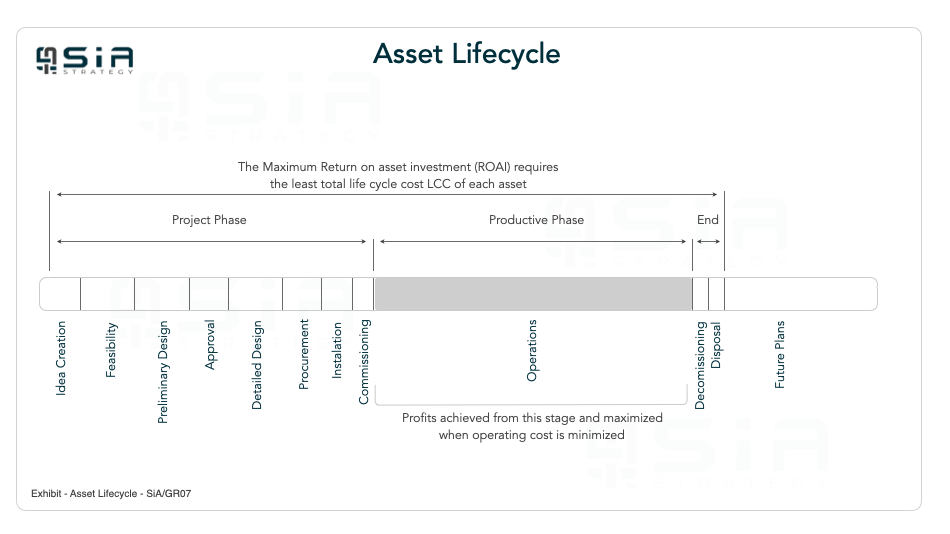
- Cost Tracking: Track and record costs throughout each phase to build a comprehensive picture of TCO.
- Decision Support: Use LCC data to inform decision-making processes, ensuring that all relevant costs are considered.
b. Tools and Software for LCC
Leverage specialized tools and software for LCC analysis:
- Asset Management Systems: Implement software solutions that integrate LCC analysis with asset management functionalities.
- Lifecycle Cost Models: Use software tools that provide built-in models and templates for LCC analysis.
3. Optimizing Maintenance Strategies
a. Predictive Maintenance (PdM)
Adopt advanced predictive maintenance techniques to reduce costs and improve asset reliability:
- Condition Monitoring: Utilize sensors and IoT devices to monitor asset condition in real-time.
- Data Analytics: Apply data analytics to predict potential failures and schedule maintenance activities accordingly.
- Machine Learning: Implement machine learning algorithms to enhance predictive accuracy and optimize maintenance schedules.
c. Reliability-Centered Maintenance (RCM)
Apply RCM principles to focus maintenance efforts on critical assets:
- Failure Modes and Effects Analysis (FMEA): Identify potential failure modes and their impact on asset performance.
- Criticality Analysis: Prioritize maintenance activities based on the criticality of assets and their impact on operations.
4. Leveraging Technology and Data Analytics
a. Internet of Things (IoT) and Smart Sensors
Integrate IoT and smart sensors to enhance asset management:
- Real-Time Monitoring: Use sensors to collect real-time data on asset performance, usage, and environmental conditions.
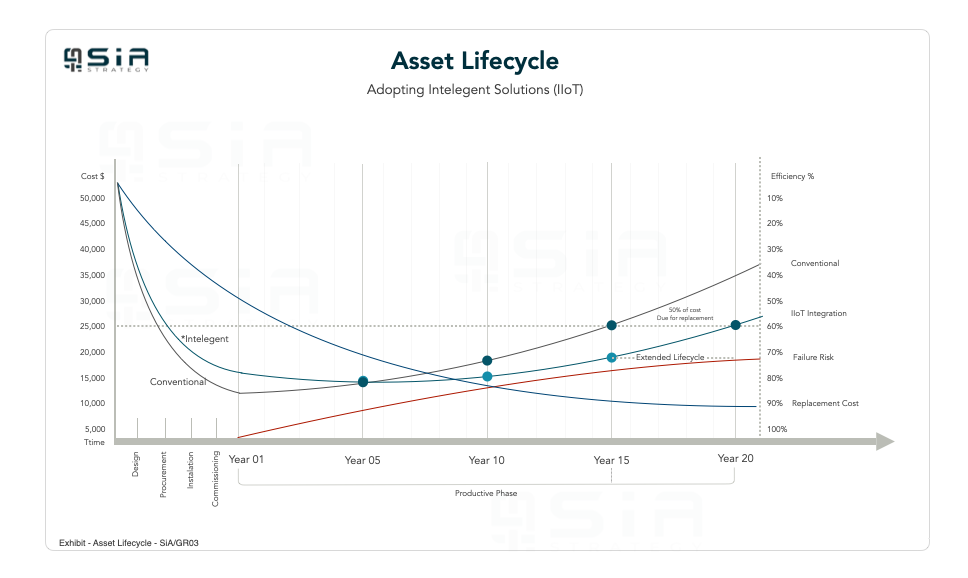
- Automated Alerts: Implement automated alerts for anomalies or deviations from normal operating conditions.
b. Data Analytics and Business Intelligence
Utilize advanced data analytics and business intelligence tools:
- Predictive Analytics: Analyze historical data to forecast future costs and identify trends.
Dashboards and Reporting: Develop dashboards that provide visual insights into TCO components and performance metrics.
5. Evaluating Energy and Resource Efficiency
a. Energy Management Systems (EMS)
Implement EMS to optimize energy consumption:
- Energy Audits: Conduct regular energy audits to identify inefficiencies and areas for improvement.
- Energy Efficiency Measures: Invest in energy-efficient equipment and technologies to reduce operational costs.
b. Resource Optimization
Focus on optimizing resource use to reduce costs and environmental impact:
- Waste Reduction: Implement practices that minimize waste generation and enhance recycling efforts.
- Resource Efficiency: Optimize the use of materials and resources to reduce costs and improve sustainability.
6. Enhancing Procurement Processes
a. Strategic Sourcing
Adopt strategic sourcing practices to optimize procurement costs:
- Supplier Evaluation: Assess suppliers based on their ability to provide value beyond the purchase price, including support, reliability, and cost-effectiveness.
- Contract Negotiation: Negotiate contracts that include favorable terms for maintenance, support, and total cost considerations.
b. Total Cost Considerations
Evaluate assets based on their total cost of ownership rather than just initial costs:
- Total Value Proposition: Consider factors such as long-term reliability, maintenance requirements, and energy efficiency.
- Cost-Benefit Analysis: Perform cost-benefit analyses to compare different asset options and their long-term financial impacts.
7. Developing a Comprehensive Disposal Plan
a. End-of-Life Strategies
Plan for the end-of-life of assets to manage disposal costs effectively:
- Asset Resale: Explore resale opportunities to recover value from assets that are no longer needed.
- Recycling and Disposal: Ensure compliance with environmental regulations and select cost-effective recycling or disposal methods.
b. Residual Value Recovery
Assess the potential residual value of assets and incorporate it into TCO calculations:
- Valuation: Determine the residual value of assets based on market conditions and asset condition.
- Recovery Strategies: Develop strategies to maximize the recovery of residual value.
8. Continuous Improvement and Review
a. Performance Metrics and KPIs
Establish performance metrics and key performance indicators (KPIs) to monitor TCO:
- Cost Metrics: Track metrics such as cost per unit, maintenance costs, and energy consumption.
- Performance KPIs: Monitor KPIs related to asset reliability, downtime, and operational efficiency.
b. Benchmarking and Best Practices
Benchmark TCO against industry standards and best practices:
- Industry Comparisons: Compare TCO metrics with industry peers to identify areas for improvement.
- Best Practices: Adopt best practices from leading organizations to enhance asset management and TCO optimization.
Conclusion
Optimizing Total Cost of Ownership (TCO) requires a thorough understanding of all associated costs and the implementation of advanced strategies and technologies. By employing detailed cost assessments, life-cycle costing, predictive maintenance, data analytics, energy and resource efficiency, strategic procurement, comprehensive disposal planning, and continuous improvement, organizations can effectively manage and reduce TCO. This holistic approach not only drives cost savings but also enhances operational efficiency, financial sustainability, and overall asset value.
REQUEST A CALL BACK
CHECK MORE
-

Effective FM Contract Mobilization: A Comprehensive Guide to Seamless Transition and Execution
Supported by a robust sales force and tight cost controls, Pharm Ltd. experienced sustained double-digit growth over a number of years, only to find that their supply chain struggled to keep pace.
September 28, 2024 -

Mastering Facilities Management: A Comprehensive Guide to Effective Management
Supported by a robust sales force and tight cost controls, Pharm Ltd. experienced sustained double-digit growth over a number of years, only to find that their supply chain struggled to keep pace.
September 28, 2024 -

Turning Setbacks into Success: 5 Traits For Every Entrepreneur to Stay Strong and Focused on the Big Picture!
Supported by a robust sales force and tight cost controls, Pharm Ltd. experienced sustained double-digit growth over a number of years, only to find that their supply chain struggled to keep pace.
September 21, 2024 -

Comprehensive Introduction to Facilities Management Company
Supported by a robust sales force and tight cost controls, Pharm Ltd. experienced sustained double-digit growth over a number of years, only to find that their supply chain struggled to keep pace.
September 19, 2024